








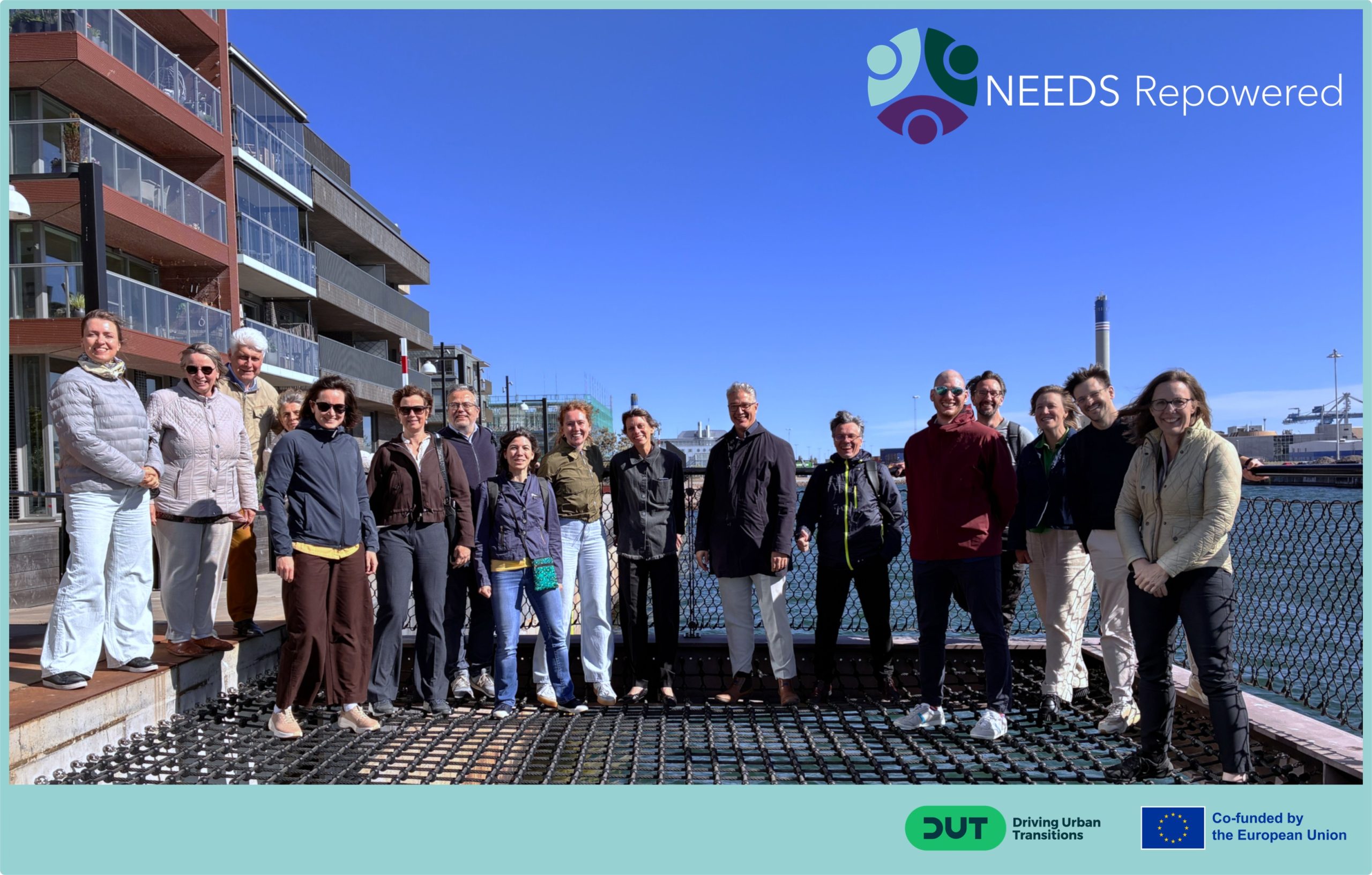
Time flies when you are learning, sharing, and implementing. Around 18 months after its launch, the NEEDS Repowered project has reached an important milestone. As the project moves from planning towards implementation, partners gathered in Helsingborg, Sweden, for the 3rd Consortium Meeting to reflect on progress, exchange experiences, and shape the next phase of work.
Hosted by the Municipality of Helsingborg and supported by our Swedish partners RISE and HubPark, the meeting provided an opportunity to take stock of achievements across the six pilot sites and to discuss how the lessons emerging from local implementation can contribute to the broader development of Positive Energy Districts (PEDs) across Europe.
Learning from Helsingborg’s Innovation Journey
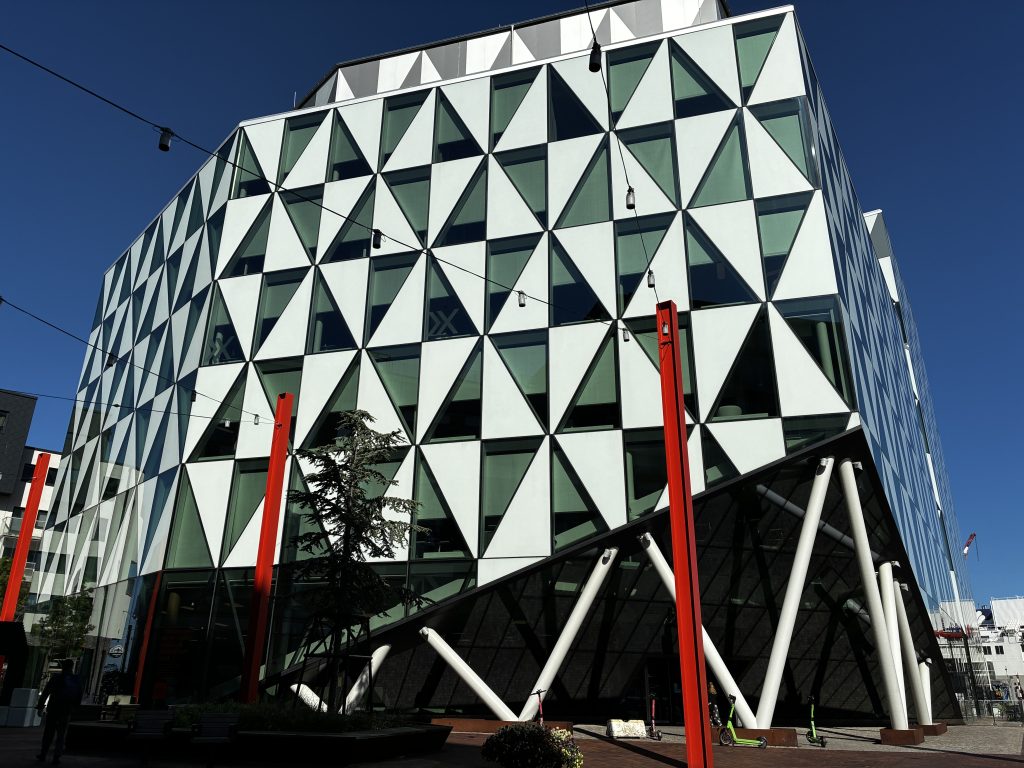
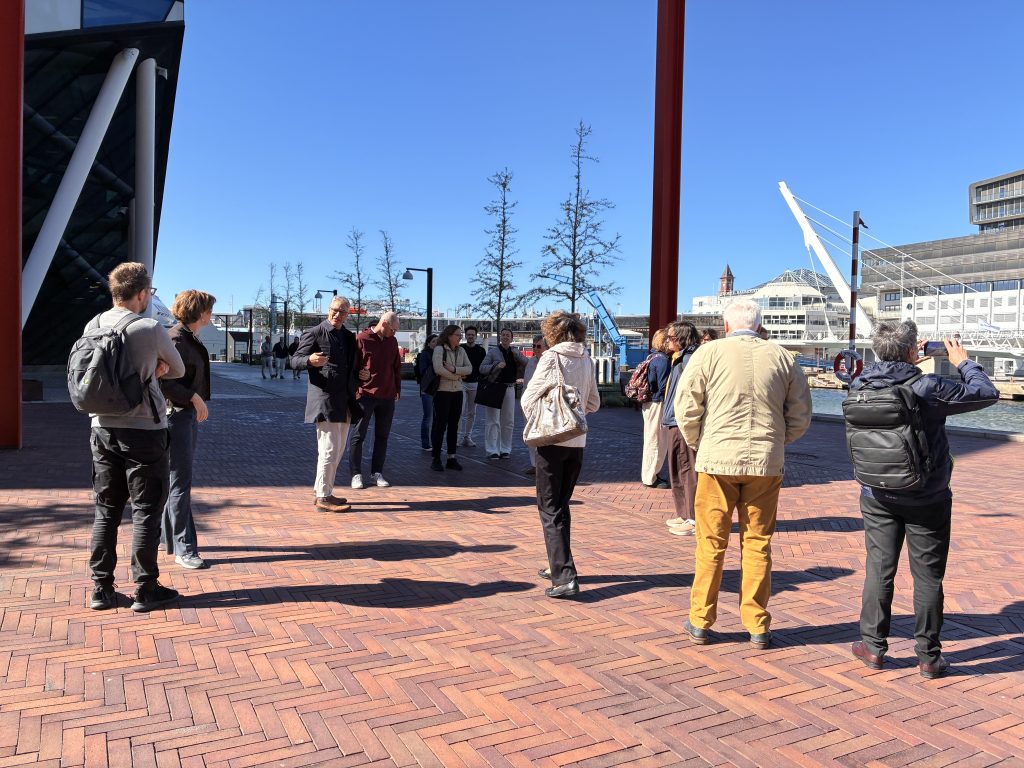
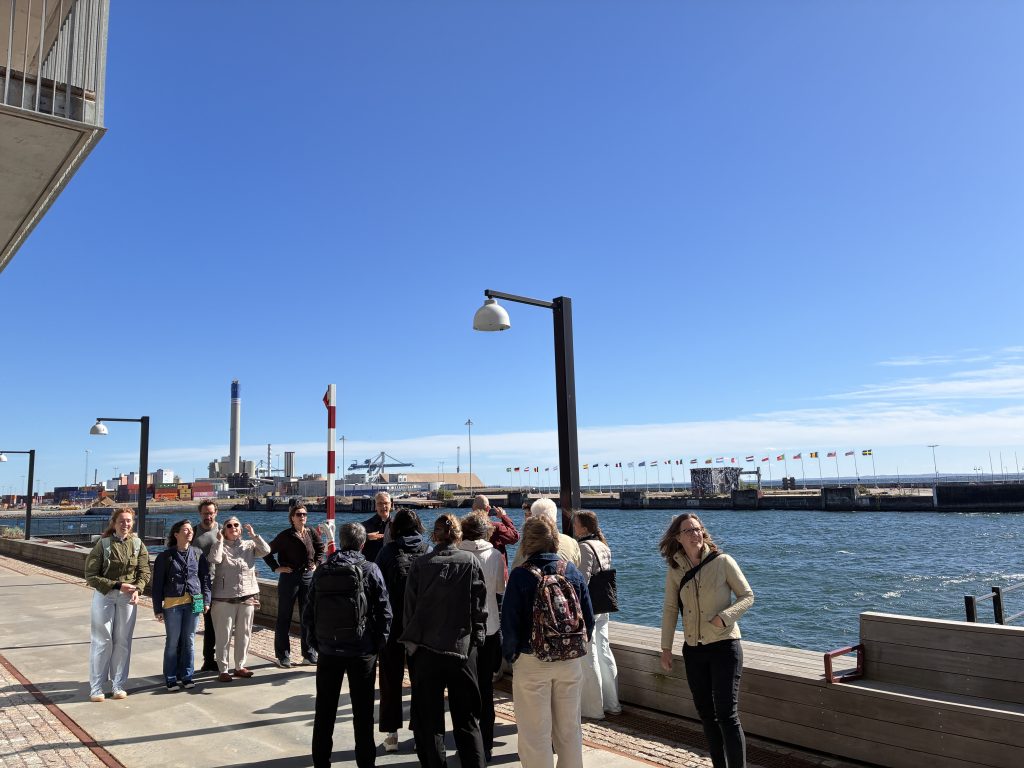
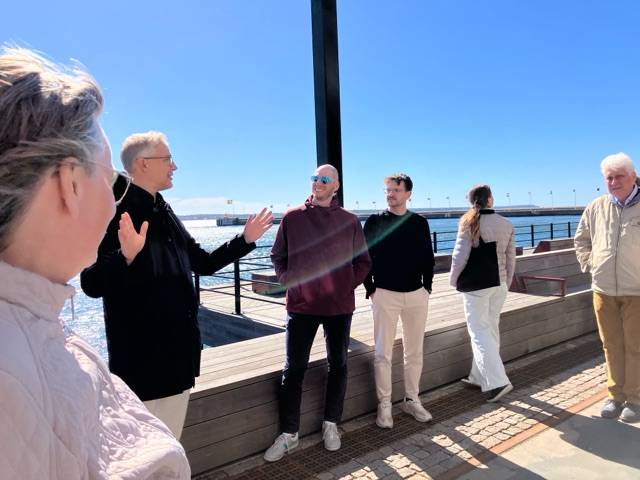
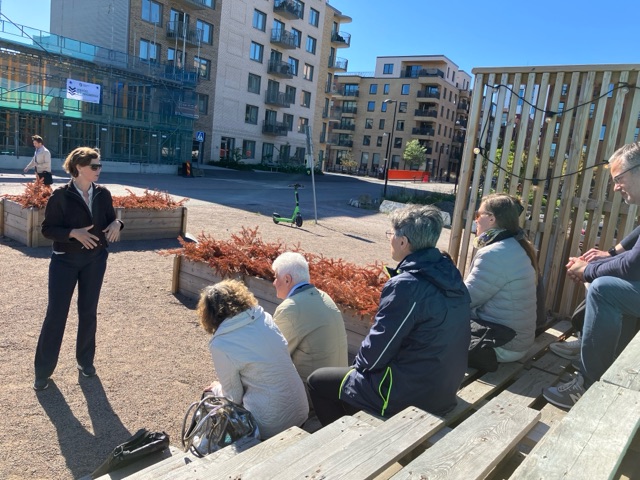
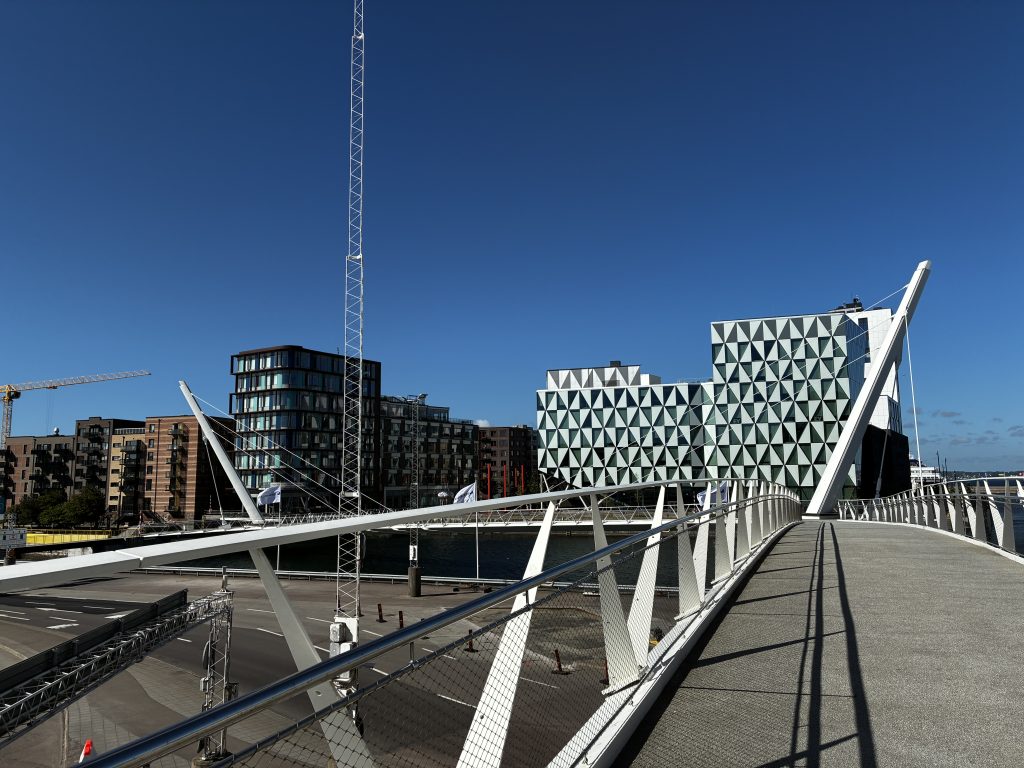
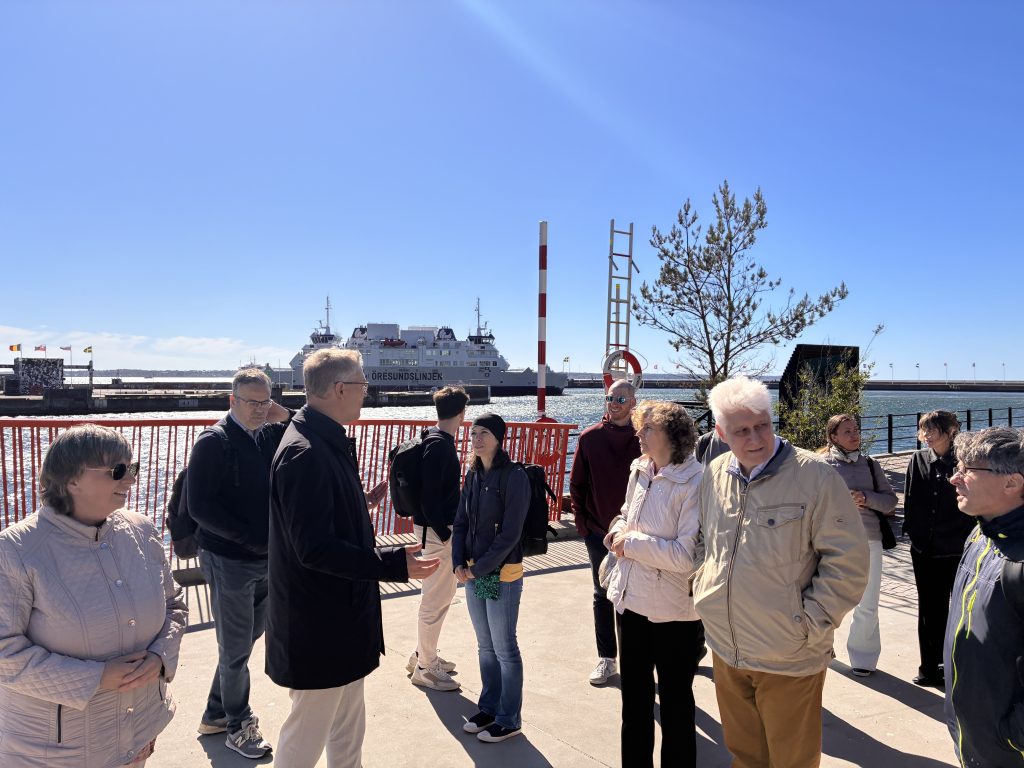
A highlight of the first day was the presentation of the Helsingborg Pilot Site and the opportunity to learn more about the Helsingborg Innovation District. Participants explored the district’s innovative approaches to water treatment, resource recovery, and future-oriented urban development. The discussions highlighted the complex realities of urban transformation, where ambitious sustainability goals must be balanced with existing infrastructures, governance structures, and local capacities.
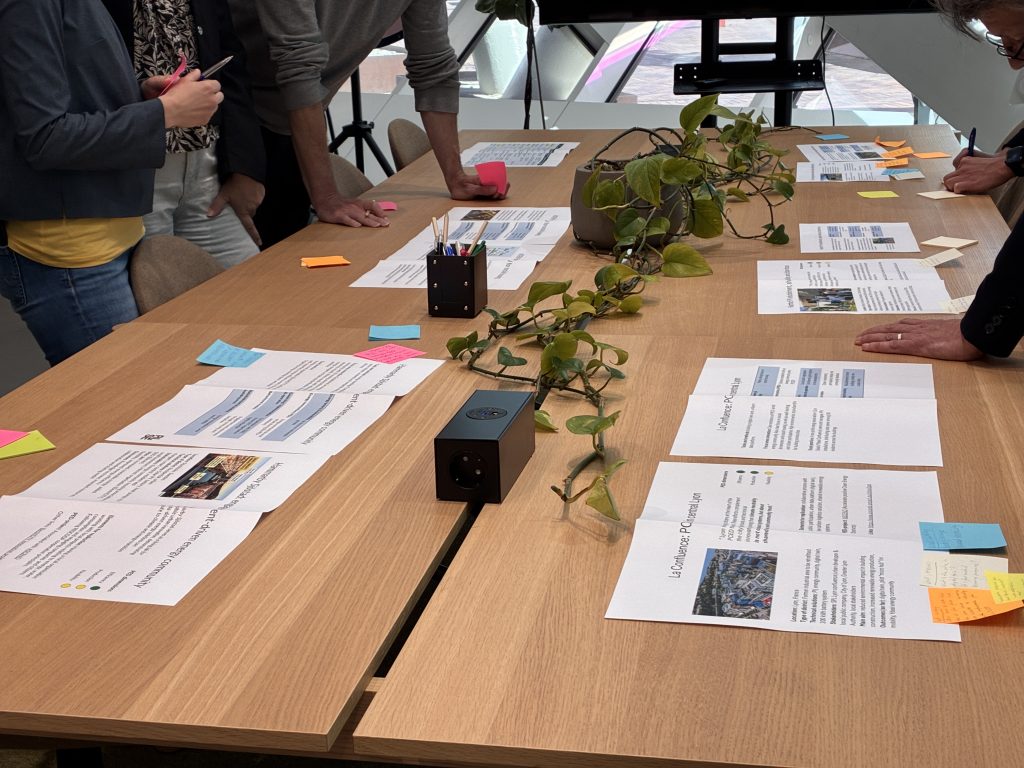
The meeting also provided space for peer learning among the pilot sites. Through examples from Sweden, the Netherlands, France, Germany, and beyond, partners exchanged experiences on engagement-driven energy communities and PED implementation processes. A recurring message emerged throughout these discussions: successful energy transitions depend on cooperation, trust, and meaningful citizen engagement.
Several inspiring examples demonstrated how communities can be actively involved in shaping sustainable neighbourhoods. From local “campfires” that create spaces for dialogue and exchange to innovative approaches for supporting vulnerable groups, participants reflected on the importance of putting people at the centre of the energy transition.
Reflecting on Vulnerability and Inclusion
An important session focused on understanding vulnerability in the context of PED development. Together, partners explored the different forms of vulnerability that exist across the project’s pilot sites and discussed how these can influence participation in energy transition processes.
The discussion went beyond identifying vulnerable groups and considered the role of frontrunner cities and communities in driving PED transitions. Participants reflected on the capacities and conditions needed to act as pioneers, while also ensuring that vulnerable groups are meaningfully included and benefit from the opportunities created by sustainable urban development.
From Knowledge to Implementation
The second day shifted the focus towards implementation and practical learning. By analysing concrete challenges emerging from the pilot sites, partners were able to identify dependencies, barriers, and enabling factors influencing PED implementation processes. These exchanges provided valuable insights into the realities of translating ambitious concepts into concrete actions on the ground.
A central topic of discussion was the development of the NEEDS Repowered Toolbox. This toolbox is being designed as a practical resource for cities, practitioners, and stakeholders working on PED development. It will bring together methods, guidance materials, and tools in different relevant topics like stakeholder engagement, inclusion of vulnerable groups, implementation support, and the replication of successful solutions across different contexts.
As the project enters its second half, the toolbox represents an important step towards transforming local experiences into transferable knowledge that can support other cities and communities embarking on their own energy transition journeys.
The Helsingborg meeting demonstrated the value of bringing together diverse experiences, perspectives, and expertise from across Europe. By learning from each other’s successes and challenges, the consortium continues to strengthen its collective understanding of what is needed to implement inclusive, resilient, and climate-neutral Positive Energy Districts.
A sincere thank you goes to our hosts in Helsingborg and to all consortium partners for their contributions, openness, and commitment throughout the meeting. We look forward to continuing this journey together and sharing further progress from our pilot sites in the months ahead.
Comments are closed